
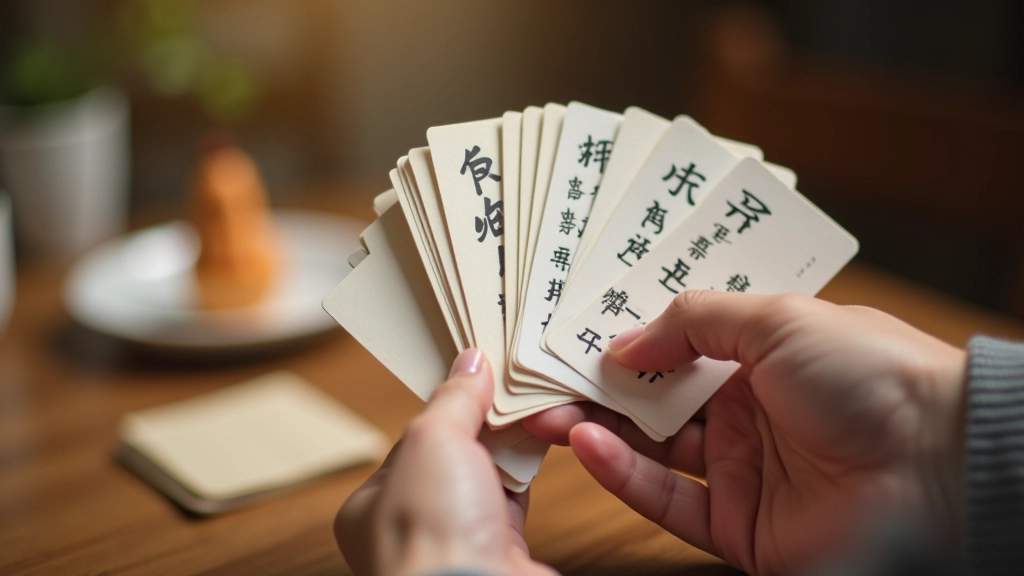
Starting with Tones: Why They Matter More Than You Think
Tones confused you? That’s normal. Here’s a practical method that makes tone practice actually stick without endless repetition drills.
Read MoreEssential phrases and strategies to navigate daily life in Canada while learning Chinese
Whether you’re just starting out or planning your first conversation, these guides break down survival Mandarin into practical, bite-sized lessons. We focus on what actually matters — getting comfortable with real situations you’ll encounter.

Curated articles to help you build confidence with Mandarin
Tones confused you? That’s normal. Here’s a practical method that makes tone practice actually stick without endless repetition drills.
Read More
Skip the textbook phrases nobody uses. Learn what to say at grocery stores, restaurants, and community centers where you’ll actually need Mandarin.
Read More
You don’t need flashcard apps. Learn the three techniques that help words actually stick — and why context beats isolated word lists every time.
Read More
Understand everything but can’t speak? That’s the listening-speaking gap. Here’s how to close it with small, real conversations that build confidence.
Read MoreAvoid these common pitfalls early and you’ll progress much faster
Trying to “pick them up later” doesn’t work. Tones shape how natives hear every word you say. Getting them right early means better comprehension and fewer corrections.
Textbook dialogues don’t match real conversations. Learning phrases in context — at a restaurant, in a store — makes everything stick faster and feel more useful.
Reading and writing are important, but speaking gets you communicating now. Balance written practice with actual speaking — it’s how you build real confidence.
Native speakers don’t expect perfect grammar from beginners. They appreciate effort. Speaking messily early beats waiting until you’re “ready” — which never comes.
Pinyin (Romanized Chinese) gets a bad reputation, but it’s invaluable for beginners. Use it to learn pronunciation and get speaking early. You’ll transition to characters naturally.
A realistic timeline for building survival skills, not fluency
Learn the four tones. Master 20–30 essential phrases for greetings, thanks, and basic needs. Get comfortable with pinyin pronunciation. You’re not aiming for perfection — you’re building the rhythm of the language.
Expand vocabulary around specific situations: ordering food, shopping, asking for directions. Start listening to native speakers in those contexts. Confidence grows when you recognize words in real conversations.
Have short real conversations. Join language exchange meetups in your community. You won’t be perfect, and that’s the point — imperfect practice beats perfect preparation. You’re now actually using what you’ve learned.